
Host-Read Ads
Part of Podcast ad placement and format
Choosing an integrated host mention or a separate spot
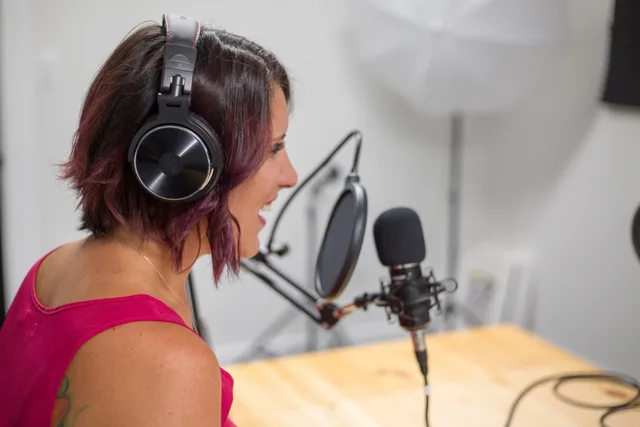
An integrated host mention fits the presenter's voice and episode flow.
undefined
An integrated host mention fits the presenter’s voice and episode flow. A separate spot is discrete audio, with wording and production easier for the advertiser to control. Neither is automatically more credible or effective; the choice depends on the host, claim sensitivity and how much the message must be standardised.
Choose an integrated mention when a host can truthfully explain the offer in their own voice and the episode context suits it. Choose a separate spot when exact wording, consistency or advertiser control matters more than the host’s personal delivery.
Spotify reports that 71% of daily podcast users say podcast content gets all or most of their attention, and 59% of Spotify podcast listeners feel more connected to podcast hosts than to social media influencers. These are audience-context figures, not proof that an integrated mention will outperform a separate spot.
Podcast Audience Engagement Insights (Australia)
- 71%Daily podcast users paying full attention
- 59%Spotify listeners feeling more connected to hosts than influencers
Decide what can vary
If the offer requires exact conditions, prices or eligibility wording, a produced spot may reduce the risk of improvisation. If the value lies in a host’s authentic explanation, give the host a factual brief, approved claim boundaries and room to speak naturally.
The deciding test is claim sensitivity: if changing a phrase could alter what the offer means, favour a separate spot. If the message can be explained naturally without changing its claims, an integrated mention may be the better fit.
For example, an offer that depends on exact prices or eligibility terms points towards a spot with controlled wording. A message that depends on an explanation the host can truthfully give points towards an integrated mention, provided the claims stay within the approved boundaries.
Do not ask for a personal endorsement the host cannot truthfully make. Keep product claims accurate: the ACCC says businesses shouldn't try to gain an unfair advantage by making misleading claims about their products or services (ACCC).
Before production, agree who drafts the copy or factual brief, who approves claims, and whether the host may adapt the wording. Set out whether edits or re-recording are allowed, and what any reuse right covers: term, territory, platforms and edit rights.
Confirm placement, production method, approval rights and reuse rights separately.
Review the actual audio
Listen for a clear brand name, one central benefit and a call to action a person can remember without looking at a screen. Check that the mention does not interrupt a sensitive discussion or imply editorial endorsement beyond what was agreed. Record any required corrections before release.
For evaluation, use a test-and-control study: randomly split groups so one hears the ad and the other does not, then measure conversions and compare conversion rates. IAB Australia’s Audio Buyer’s Guide describes this method for measuring incremental lift (IAB Australia). Avoid treating host loyalty as campaign evidence; choose the format that communicates accurately and can be measured against the brief.